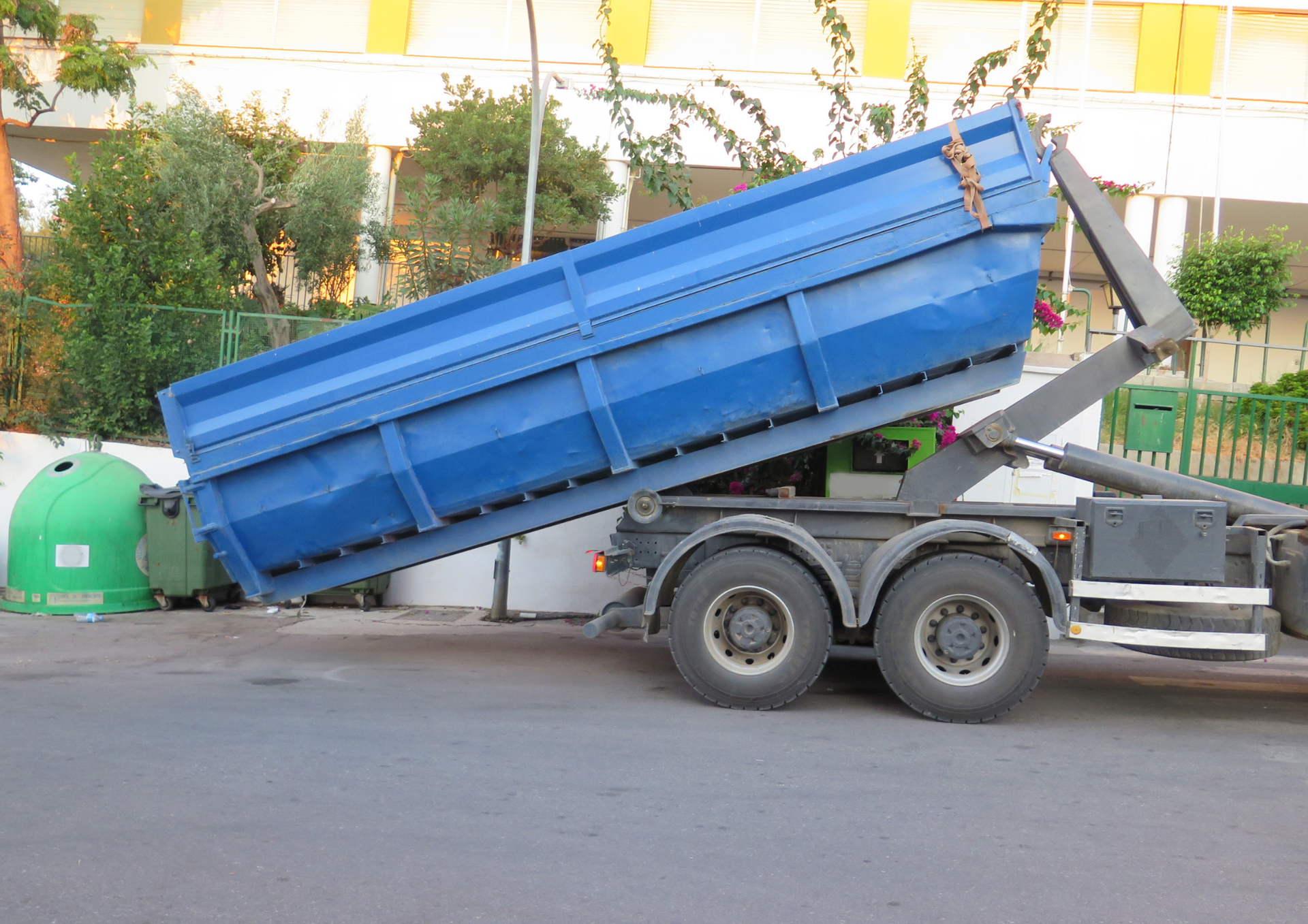

How to Hire a Skip for Your Property Without Any Unnecessary Delays
Managing waste effectively is an important part of any property improvement, household clearance or building project. Whether you are renovating a kitchen, clearing an unused garden or preparing a commercial property for refurbishment, having a suitable waste disposal solution in place helps keep the work organised and reduces unnecessary interruptions.
When planning to hire a skip, it is important to consider more than simply choosing a container and arranging delivery. The amount of waste, available space, project timescale and collection arrangements all influence how smoothly the process runs. Understanding these factors before making a booking can help prevent delays and ensure that waste removal fits around the work being carried out.
For homeowners, landlords, surveyors and local authorities, effective waste management supports the maintenance and improvement of residential and commercial properties. A well-planned approach helps keep access routes clear, reduces the accumulation of unwanted materials and allows different stages of a project to progress without unnecessary disruption.
By understanding the booking process, choosing suitable equipment and preparing the property before delivery, customers can make waste removal a straightforward part of their project rather than an additional complication.
Planning Your Waste Removal Before Booking
Effective planning is one of the simplest ways to prevent delays when arranging waste disposal. Understanding the requirements of your property and the expected amount of waste helps ensure that the right equipment is available when work begins.
Before making a booking, consider the following factors to help organise your project and avoid unnecessary changes to delivery or collection arrangements.
Assessing the Type and Volume of Waste
- Identify the materials that will be removed during the project, including household rubbish, garden waste, timber, bricks and general renovation debris.
- Estimate the total amount of waste likely to be produced rather than considering only the materials currently visible.
- Consider whether additional waste may be generated as work progresses, particularly during kitchen renovations, bathroom refurbishments and property clearances.
- Separate materials that require specialist disposal and confirm which items the provider can accept before booking.
- Avoid choosing a container based solely on its external dimensions, as different materials occupy different amounts of space and may be subject to weight restrictions.
Understanding Your Project Timescale
- Establish when work is expected to begin and identify the stage at which waste removal will become necessary.
- Allow sufficient time for delivery arrangements, particularly when coordinating several contractors or managing a larger property improvement project.
- Consider whether the container will be required for a few days or throughout an extended renovation.
- Discuss the expected collection date in advance to ensure the equipment does not remain on site longer than necessary.
- Allow some flexibility for unexpected changes, particularly when building work depends on weather conditions, material deliveries or the availability of tradespeople.
Checking Property Access
- Measure the available space to ensure there is sufficient room for delivery, positioning and eventual collection.
- Consider whether parked vehicles, narrow entrances, overhanging branches or restricted access routes could prevent the delivery vehicle from reaching the intended location.
- Identify a suitable position that allows waste to be loaded conveniently without obstructing entrances, pedestrian routes or essential access points.
- Confirm whether the container will be placed on private land or a public road, as different placement requirements may apply.
- Inform the provider about any potential access difficulties before delivery so that suitable arrangements can be discussed.
Comparing Local Providers
- Customers searching for skip hire near me should consider service availability, delivery arrangements, collection procedures and the provider's familiarity with the surrounding area.
- Check whether the company offers equipment suitable for the expected waste volume and type of project.
- Ask about the standard hire period and whether additional time can be arranged if the work takes longer than expected.
- Confirm the booking details in advance, including the delivery location, intended placement and collection arrangements.
- Choose a provider that explains its services clearly and offers practical guidance rather than relying solely on the lowest advertised quotation.
Taking the time to consider these factors helps customers make informed decisions before committing to a booking. It also reduces the likelihood of arranging unsuitable equipment, encountering access difficulties or needing to change collection dates once work is underway.
For larger residential and commercial projects, preparing a simple waste management plan can also help coordinate deliveries with the different stages of construction or refurbishment.
Choosing a Suitable Waste Container for Your Property
Selecting the correct container is essential for keeping waste removal manageable throughout a project. A container that is too small may require additional collections, while choosing one that is unnecessarily large can occupy valuable space and increase the overall expense.The most suitable option depends on the type of work, the amount of material being removed and the available space at the property.
For smaller domestic projects, such as clearing a spare bedroom, removing unwanted furniture or carrying out minor decorating work, a compact container may provide sufficient capacity. These projects generally produce manageable quantities of waste, although bulky furniture and other large items can quickly reduce the available space.
Larger household improvements often require additional capacity. Kitchen refurbishments, bathroom renovations and flooring replacements can generate a mixture of materials, including old fittings, timber, tiles and general building debris. Estimating the expected volume before work begins helps customers select equipment that can accommodate the waste without frequent interruptions.
Customers considering skip bin hire should also think about the weight of the materials being removed. Heavy waste, such as soil, concrete and bricks, may require a different container size or loading arrangement from lighter household materials. Discussing these details with the provider helps ensure that the selected equipment is suitable for the intended use.
Garden improvements present another set of considerations. Landscaping work can produce large quantities of branches, hedge cuttings, turf and soil. Although some materials are relatively lightweight, others can become particularly heavy when wet. Separating different types of garden waste where practical can make loading easier and support appropriate disposal arrangements.
Commercial properties may require a different approach depending on the nature of the work. Office clearances, retail refurbishments and building maintenance projects can involve substantial quantities of packaging, fixtures, fittings and construction materials.
For landlords managing several properties, arranging waste removal around tenancy changes or refurbishment schedules can help reduce the time a property remains unavailable for its intended use.
Surveyors and local authorities may also need to consider site access, surrounding properties and the potential impact of waste storage on public areas when coordinating larger projects.
Regardless of the property type, customers should avoid filling containers above the permitted loading level or placing prohibited materials inside them. Overloading can prevent safe collection and may result in additional arrangements being required before the waste can be removed.
Choosing suitable equipment from the outset helps maintain an organised working environment while allowing delivery and collection to proceed as planned.
Preparing Your Property for Delivery and Collection
Once the booking has been arranged, preparing the property helps ensure that the delivery vehicle can reach the intended location and position the container safely.
A small amount of preparation can prevent avoidable delays, particularly where access is restricted or the property is located on a busy residential road.
The following considerations can help homeowners, landlords and those responsible for commercial premises prepare for a smooth delivery and collection process.
Preparing the Delivery Area
- Remove vehicles, stored materials and other obstacles from the intended delivery location before the agreed arrival time.
- Check that the ground is reasonably level, stable and suitable for supporting the container and its contents.
- Ensure there is sufficient space for the delivery vehicle to manoeuvre without obstructing neighbouring properties or essential access routes.
- Identify any overhead restrictions, including low branches, cables or building features that could interfere with the lifting equipment.
- Confirm that gates, entrances and access points will be available when the delivery vehicle arrives.
Understanding Placement Requirements
- Placing the container on a suitable private driveway or other accessible private land may simplify the delivery process where adequate space is available.
- If placement on a public road is necessary, check the relevant local authority requirements before confirming the booking.
- Allow sufficient room for pedestrians, vehicles and other property users to move safely around the delivery area.
- Consider the position of drains, inspection covers and other features that could affect where the container can be placed.
- Discuss any uncertainty about the proposed location with the provider before delivery rather than attempting to make changes after the vehicle arrives.
Loading Waste Correctly
- Different skip bins are designed to accommodate varying waste volumes and material types, so customers should follow the provider's guidance regarding suitable contents and loading limits.
- Place heavier materials carefully to maintain a stable load and avoid creating unnecessary difficulties during collection.
- Distribute waste throughout the available space rather than concentrating it in one area.
- Keep materials within the permitted loading level and avoid allowing items to extend beyond the container's sides.
- Check whether particular materials, such as plasterboard, electrical equipment or hazardous substances, require separate disposal arrangements.
Arranging Collection
- Confirm the expected collection date and ensure that the provider has the correct contact and property details.
- Keep the surrounding area accessible so the collection vehicle can reach the container without unnecessary obstruction.
- Check that no additional waste has been placed above the permitted loading level before collection.
- If the project finishes earlier than expected, contact the provider to discuss whether an earlier collection can be arranged.
- Where work is continuing, confirm whether the existing container can be exchanged or whether another collection arrangement would be more appropriate.
Coordinating Multiple Projects
- Landlords managing several properties should consider scheduling waste removal around contractor availability and planned refurbishment dates.
- Commercial property managers may benefit from arranging collections outside particularly busy periods where the provider's operating arrangements allow.
- Local authorities coordinating maintenance work should consider public access and the potential impact of delivery vehicles on surrounding roads.
- Surveyors overseeing property improvements can include waste management requirements within the wider project schedule to reduce avoidable disruption.
Managing Costs and Avoiding Unnecessary Booking Delays
Understanding the factors that influence the overall quotation is an important part of planning waste removal. Although affordability matters, the lowest advertised figure does not always represent the most suitable option for a particular property or project.
When comparing skip hire prices, customers should consider what is included in the quotation rather than focusing exclusively on the initial amount. Container size, delivery distance, hire duration, collection arrangements and the type of waste being removed can all influence the final charge.
A quotation that appears inexpensive may become less suitable if the included hire a skip period is shorter than required or if additional collections are needed because the selected container lacks sufficient capacity.
Before confirming a booking, customers should ask whether delivery and collection are included, how long the container can remain on site and whether additional charges may apply if the agreed arrangements change.
Clear information at the booking stage helps customers compare services on a consistent basis and reduces the possibility of unexpected expenses later.
Availability is another important consideration. Although some projects can be planned several weeks in advance, others arise unexpectedly. A landlord may need to clear a property following a tenancy change, while a homeowner might discover additional waste during renovation work.
In these circumstances, arranging prompt delivery may provide a practical solution when a suitable container and delivery vehicle are available. However, customers should confirm availability directly with the provider rather than assuming that immediate delivery can always be arranged.The time of the enquiry, delivery location, required container size and existing bookings can all influence whether a short-notice delivery is possible.
Providing accurate information during the initial enquiry can help the provider assess the requirements more efficiently. Customers should be prepared to explain the type of project, expected waste volume, delivery address, available access and preferred collection arrangements.
Where immediate delivery is unavailable, discussing alternative dates or container sizes may help identify a suitable solution without compromising the project's overall requirements.
Communication remains equally important after delivery. If work takes longer than expected, contacting the provider before the agreed collection date allows any necessary changes to be discussed.
For commercial developments and larger property improvements, coordinating waste removal with the wider construction programme can reduce unnecessary waiting periods and help maintain access for contractors and other site users.
The most effective approach is to balance affordability, availability and practical service requirements. By comparing quotations carefully, preparing accurate booking information and maintaining clear communication, customers can arrange waste removal that supports their project without creating avoidable complications.
Skip Hire Lowestoft provides practical waste removal solutions for homeowners, landlords, surveyors, local authorities and those responsible for residential and commercial properties throughout Lowestoft and the surrounding areas.
We understand that every property has different requirements, which is why our approach focuses on clear communication, suitable equipment and organised delivery and collection arrangements.
Whether you need to hire a skip for a household clearance, garden improvement, property refurbishment or larger building project, we aim to make the booking process straightforward by helping you understand the available options and choose a suitable solution for your requirements.
Our team recognises the importance of planning waste removal around your project schedule. We provide practical guidance on container sizes, delivery arrangements and collection requirements to help customers make informed decisions before booking.
We also understand that residential and commercial properties can present different access considerations. Discussing these requirements in advance helps us identify appropriate arrangements and reduce the likelihood of unnecessary disruption.
Our focus is on providing a professional, dependable service that supports responsible waste management without adding unnecessary complexity to your project.
If you are planning property improvements, managing a clearance or coordinating building work, contact us to discuss your requirements and arrange a suitable waste removal solution.
Check out our latest X update on how to
hire a skip for your property without unnecessary delays and keep your waste removal project running smoothly!
You might also like