
Hire a Skip for Brick, Rubble, and Hardcore Waste Clearance Work
Construction work, property renovations, landscaping projects, and structural alterations often generate large volumes of heavy waste that can become difficult to manage without proper planning.
Choosing to hire a skip provides a practical way to contain broken bricks, concrete fragments, paving slabs, soil, tiles, stones, and mixed hardcore materials that may otherwise create safety risks, reduce working space, and slow down progress around a property or work site.
Organised waste management supports cleaner environments, improved accessibility, and more efficient project completion for homeowners, landlords, surveyors, contractors, and local authorities across residential and commercial properties.
Understanding Brick, Rubble, and Hardcore Waste Removal
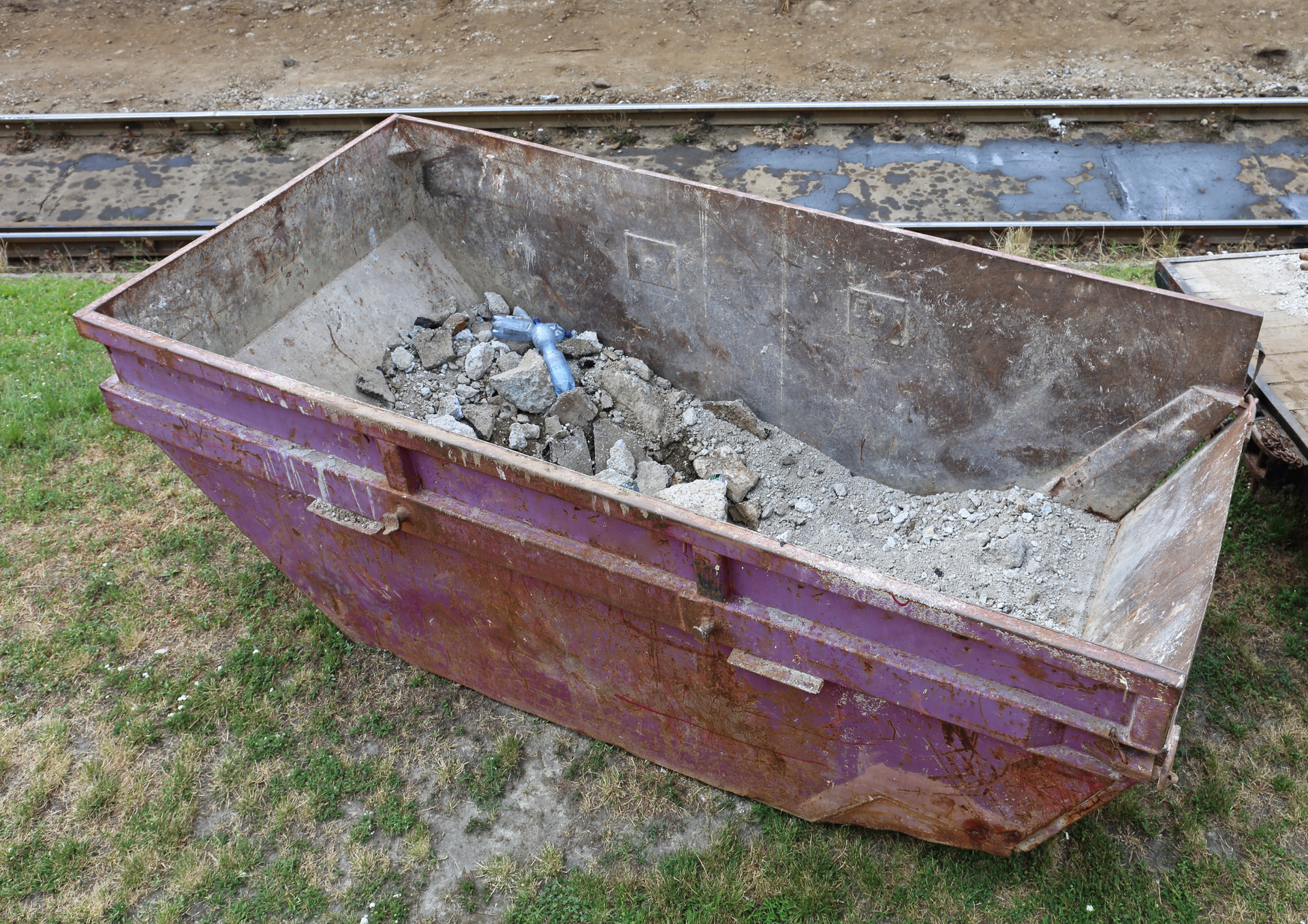
Brick and hardcore waste is commonly produced during domestic renovations, landscaping work, demolitions, driveway replacements, drainage projects, and larger commercial improvements. Materials such as bricks, concrete, paving slabs, soil, and rubble can accumulate quickly, creating cluttered and potentially hazardous working areas if not managed properly.
Structured waste disposal arrangements help maintain cleaner surroundings, improve accessibility, and support safer movement around residential and commercial properties throughout ongoing work. Heavy construction waste requires careful planning due to the weight and volume generated during renovation and demolition projects.
Even smaller property improvements can produce substantial amounts of rubble within a short period, making it practical to hire a skip for organised waste containment and removal. Proper waste organisation helps homeowners, contractors, surveyors, landlords, and local authorities maintain safer site conditions while supporting smoother project management and more efficient handling of brick, rubble, and hardcore materials.
Choosing Suitable Skip Sizes for Heavy Waste Materials
Selecting an appropriate skip size plays a significant role in managing rubble and hardcore efficiently. Waste containers that are too small may require additional collections or interruptions during the project, while oversized containers may occupy unnecessary space on the property. Understanding the scale of the project helps customers choose practical solutions that support efficient waste organisation.
Smaller renovation or garden clearance projects may benefit from a compact container where space is limited and waste quantities remain manageable. A well-planned waste removal strategy allows materials to be loaded steadily throughout the project while helping maintain cleaner and safer surroundings.
For modest domestic improvements involving patio removals, minor brickwork, or garden wall demolition, a 4 yard skip may provide a suitable option for handling dense materials without taking up excessive space on residential driveways. Its compact size often makes it practical for smaller access areas while supporting organised loading during short-term projects.
Projects involving kitchen renovations, bathroom upgrades, medium-sized landscaping work, or internal structural alterations may generate larger quantities of rubble and construction waste. In these situations, a 6 yard skip is often considered a practical solution for balancing capacity with manageable site placement during ongoing property work.
Larger domestic renovations, extensive driveway replacements, and broader construction projects can produce substantial volumes of heavy waste that require increased capacity. An 8 yard skip is commonly selected for projects where larger amounts of brick, rubble, and hardcore need to be contained efficiently while maintaining organised working conditions across the property.
Commercial projects, redevelopment work, and extensive property clearances may involve higher waste volumes generated over longer periods of time. A 12 yard skip can support larger-scale waste management requirements where additional capacity is needed for ongoing construction or refurbishment operations involving mixed heavy materials.
Skip placement also influences the overall efficiency of waste removal. Containers positioned close to the work area help reduce unnecessary movement across the site while supporting quicker loading processes. At the same time, clear access routes should remain available for vehicles, pedestrians, and ongoing construction activity.
Loading techniques are equally important when handling dense materials such as bricks and concrete. Distributing weight evenly throughout the container helps maintain safer loading conditions while maximising available capacity. Large solid blocks or concentrated piles placed unevenly may reduce stability and make loading more difficult as work progresses.
Customers should also consider the duration of their project when arranging waste collection. Short-term renovation work may require only brief container use, while long-term developments could benefit from phased waste management planning with scheduled collections to maintain organised conditions throughout multiple stages of work.
Proper planning before work begins often saves time later in the project. Assessing expected waste volumes, available loading space, and site accessibility can help ensure that suitable arrangements are in place before demolition or construction activity starts.
Supporting Safe and Organised Construction Waste Management
Effective waste management helps maintain safer, cleaner, and more organised conditions during construction, renovation, and property improvement projects. Loose bricks, rubble, and hardcore materials can create hazards around active work areas, particularly when sharp debris, unstable piles, or restricted access routes are involved.
Keeping waste contained within designated collection areas supports safer movement for workers, residents, contractors, and visitors while improving overall site organisation across residential and commercial properties. Organised waste disposal also helps support smoother project coordination where multiple trades, surveyors, landlords, or local authorities require access throughout different stages of work.
Choosing to hire a skip can help reduce disruption, maintain tidier surroundings, and improve efficiency during maintenance operations, refurbishments, and redevelopment projects involving heavy waste materials. Proper planning, controlled waste storage, and clear communication between contractors and property owners all contribute to cleaner working environments and more manageable project conditions.
Planning Waste Removal for Residential and Commercial Projects
Waste management requirements can vary significantly depending on the size and type of property project being carried out. Residential renovations, extensions, landscaping work, and structural alterations often generate large amounts of rubble and construction waste that need to be removed steadily throughout the project.
Commercial developments, office refurbishments, and redevelopment work may involve even greater waste volumes, requiring organised disposal arrangements to maintain efficient and safe working conditions. Careful planning helps support smoother project coordination, particularly where access restrictions, shared driveways, contractor schedules, or ongoing site activity are involved.
Monitoring waste levels regularly and arranging structured collection throughout different stages of the work can help prevent overflow issues and maintain tidier surroundings. Organised waste handling also improves productivity by reducing clutter, supporting easier site access, and creating cleaner environments for workers, visitors, and neighbouring properties.
Skip Hire Lowestoft
focuses on providing practical and dependable waste management support tailored to construction, renovation, landscaping, and property improvement projects. Our approach centres on clear communication, organised service, and straightforward guidance that helps customers manage brick, rubble, and hardcore waste more efficiently.
We understand that every project differs in size, access requirements, and waste volume. By supporting homeowners, landlords, surveyors, contractors, and local authorities with practical waste disposal solutions, we help customers maintain cleaner and more organised working environments throughout their projects.
Just out on X: Practical
hire a skip solutions for hardcore and rubble waste.
You might also like