
Why Skips Support Commercial Property Clearance Projects Properly
Commercial property clearances often involve large volumes of unwanted materials, furniture, fixtures, packaging, and general waste that must be removed in an organised and practical manner. Whether clearing offices, retail units, warehouses, industrial spaces, or mixed-use properties, using suitable skips can help improve waste management and keep projects moving efficiently.
For many property owners, landlords, surveyors, and local authorities, organised waste removal support helps reduce disruption while maintaining cleaner and safer working environments throughout the clearance process. Across Lowestoft and surrounding areas, property clearances can vary significantly depending on the type of building involved and the amount of waste generated during the project.
Some clearances may involve removing damaged furnishings and flooring after tenant changes, while others may focus on preparing commercial buildings for refurbishment, redevelopment, or sale. In many situations, controlled waste handling becomes essential for maintaining access routes and helping contractors continue working effectively throughout the project timeline.
Using suitable waste containers also helps support better organisation during busy clearance work. Materials can be separated more effectively, bulky items can be removed from internal spaces quickly, and outdoor areas can remain more manageable throughout the process. This structured approach is particularly useful when dealing with larger buildings where multiple trades or contractors may be working simultaneously.
Managing Waste During Large Commercial Clearance Projects
Commercial property clearances can generate large amounts of waste within a short period of time, particularly during refurbishment, redevelopment, or tenant changeovers. Organised waste handling helps contractors, landlords, and property managers maintain cleaner working areas while allowing projects to continue more efficiently. Different property types often produce different forms of waste, making structured removal arrangements important throughout the clearance process.
• Office Clearances
- Outdated desks and office seating
- Storage cabinets and shelving units
- Electrical fixtures and equipment
- Packaging materials and general office waste
- Carpet and flooring removal materials
• Retail Property Clearances
- Old display units and counters
- Damaged shop fittings and signage
- Flooring materials from strip-out work
- Packaging waste and unwanted stock materials
- General refurbishment and renovation waste
• Industrial and Warehouse Clearances
- Machinery bases and workshop fittings
- Pallet storage systems and shelving
- Bulky waste materials from dismantling work
- Timber, metal, and construction debris
- Larger volumes of mixed commercial waste
• Site Organisation Benefits
- Helps keep work areas clearer during projects
- Reduces obstruction around access routes
- Supports safer movement for workers and vehicles
- Allows waste to be removed progressively
- Minimises delays caused by overflowing waste piles
• Waste Management During Refurbishment Projects
- Maintains cleaner conditions throughout redevelopment work
- Supports better scheduling for contractors and trades
- Helps manage ongoing waste as projects progress
- Reduces the need for repeated smaller waste collections
- Provides a central collection point for general waste materials
Practical Waste Solutions for Different Property Types
Commercial property clearances can vary considerably depending on the size of the building, the type of business involved, and the amount of waste generated during the project. Organised waste handling helps maintain smoother operations throughout clearance work while supporting better coordination between contractors, landlords, surveyors, and property managers.
• Smaller Commercial Properties
- Retail units may only require limited waste storage space
- Smaller clearances often involve shop fittings and flooring materials
- Waste removal may need to be completed within shorter project timelines
- Careful planning helps maintain access for neighbouring businesses
• Large Office and Warehouse Clearances
- Office complexes can generate high volumes of furniture and fixtures
- Warehouses may involve bulky waste and dismantled storage systems
- Larger projects often require ongoing waste collection arrangements
- Extended clearance periods may create continuous waste accumulation
• Mixed-Use Developments
- Residential and commercial spaces may require separate waste planning
- Organised waste handling helps reduce disruption for occupants
- Clear access routes remain important throughout the project
- Controlled waste storage supports cleaner shared environments
• Preparing Commercial Units for New Tenants
- Old stock, damaged fixtures, and flooring may require removal
- Waste clearance helps properties become ready for refurbishment
- Efficient removal arrangements support quicker turnaround periods
- Maintaining tidy conditions can improve project organisation during re-letting work
• Property Management and Maintenance Projects
- Surveyors and local authorities may oversee larger clearance programmes
- Waste handling may support demolition preparation and maintenance work
- Keeping external areas clear helps improve contractor coordination
- Organised loading zones can support smoother site operations
• Planning Waste Removal in Advance
- Many businesses prefer to order a skip before projects begin
- Early preparation can reduce delays once work starts
- Contractors can organise loading areas more effectively
- Structured waste handling supports more efficient project timelines
• Commercial Properties in Busy Urban Areas
- Waste container placement may require careful planning
- Public access routes and neighbouring businesses must be considered
- Organised positioning can help maintain traffic flow
- Controlled waste handling supports safer clearance activities
Supporting Safer and More Organised Working Environments
Property clearance projects can quickly become difficult to manage when waste materials begin accumulating across internal spaces, walkways, loading areas, or car parks. Maintaining cleaner and more organised environments helps support safer movement around the property while improving overall workflow for contractors and property teams.
Bulky waste left inside buildings may restrict movement between rooms and increase the difficulty of transporting equipment or replacement materials into the property. Outdoor waste accumulation can also create unnecessary congestion around delivery areas, particularly where multiple contractors are working simultaneously.
Structured waste management helps reduce many of these practical issues by providing designated collection areas for discarded materials throughout the project. This allows waste to be removed progressively rather than creating large uncontrolled piles that may interfere with ongoing works.
Commercial property clearances often involve changing project requirements as work progresses. Initial strip-outs may reveal additional materials requiring disposal, while refurbishment works may generate further waste throughout the process. Flexible waste arrangements can help projects adapt more effectively as clearance requirements develop over time.
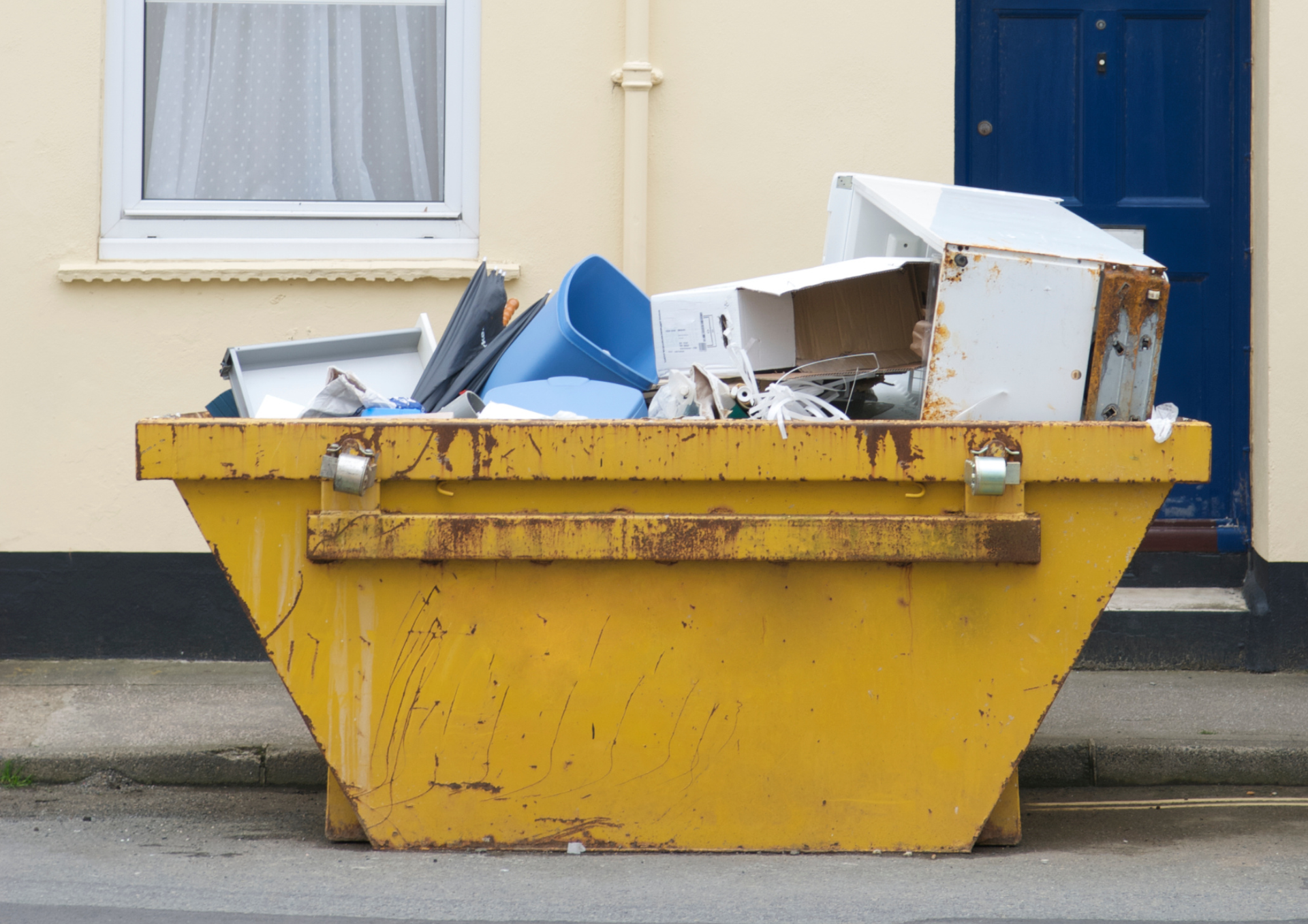
The demand for skip's during refurbishment and clearance work often increases because they provide practical capacity for handling mixed non-hazardous waste materials generated during ongoing site activity. This can support smoother coordination between contractors while helping maintain tidier working conditions throughout different stages of the project.
Businesses operating within occupied commercial premises may also benefit from organised waste handling because it helps reduce disruption to remaining staff, customers, or neighbouring tenants. Cleaner external areas and controlled waste storage can contribute to a more professional environment while clearance works are taking place.
Planning Commercial Clearances More Efficiently
Successful commercial property clearances often rely on careful planning before work begins. Factors such as waste volumes, property access, loading areas, and project duration can all influence how smoothly the clearance process progresses. Organised preparation, including arranging suitable skips for ongoing waste removal, helps contractors and property managers maintain better coordination while reducing unnecessary delays throughout the project.
• Planning Waste Removal Before Work Starts
- Waste volumes should be assessed before clearance activities begin
- Loading areas may need to be organised for easier site access
- Project timescales can influence waste collection requirements
- Early preparation helps improve overall site coordination
• Properties with Restricted Access
- Town centre locations may require additional delivery planning
- Narrow roads can affect waste collection arrangements
- Shared access points may require careful scheduling
- Limited parking availability can influence container placement
• Phased Commercial Clearances
- Larger projects may be completed in stages over several days or weeks
- Different sections of the property may be cleared progressively
- Phased work can support better organisation throughout the project
- Refurbishment and redevelopment work can continue alongside waste removal
• Choosing Suitable Waste Solutions
- Waste arrangements should match the scale of the clearance project
- Larger projects may require ongoing waste collection support
- Smaller disposal methods may become inefficient as waste increases
- Consistent waste handling can help reduce unnecessary interruptions
• Organising Waste Services in Advance
- Many businesses now arrange waste services before projects begin
- Some contractors prefer to organise waste handling and skip online for added convenience
- Advance booking can help reduce delays during busy periods
- Early scheduling ensures waste arrangements are ready when contractors arrive on site
Skip Hire Lowestoft
provides practical waste management support for residential and commercial projects throughout Lowestoft and nearby areas. We focus on organised service, straightforward booking arrangements, and reliable waste collection support designed to help property clearances run more efficiently.
Our website is designed to make the process simple for customers looking for dependable skips for commercial clearances, refurbishment projects, and general property waste removal. We aim to provide clear information, practical guidance, and straightforward support for landlords, homeowners, surveyors, local authorities, and businesses managing waste across a wide range of property types.
Update on X: How
skips help manage commercial waste efficiently.
You might also like