
Skip Hire for Seasonal Property Maintenance and Waste Clearance
Seasonal property maintenance is an important part of preserving the condition, safety, and appearance of residential and commercial buildings. Throughout the year, changing weather conditions and routine upkeep tasks generate significant amounts of waste that must be managed responsibly.
Whether clearing garden debris after winter, undertaking exterior repairs during spring, maintaining grounds throughout summer, or preparing properties for colder months, effective waste removal plays a vital role in keeping projects organised and efficient. Property maintenance projects often involve a variety of materials, including vegetation, timber, old fixtures, roofing materials, packaging, soil, and general construction waste.
Without a suitable waste management solution, these materials can quickly accumulate, creating obstacles, reducing productivity, and affecting site safety. For homeowners, landlords, surveyors, and local authorities, careful planning helps ensure maintenance work progresses smoothly.
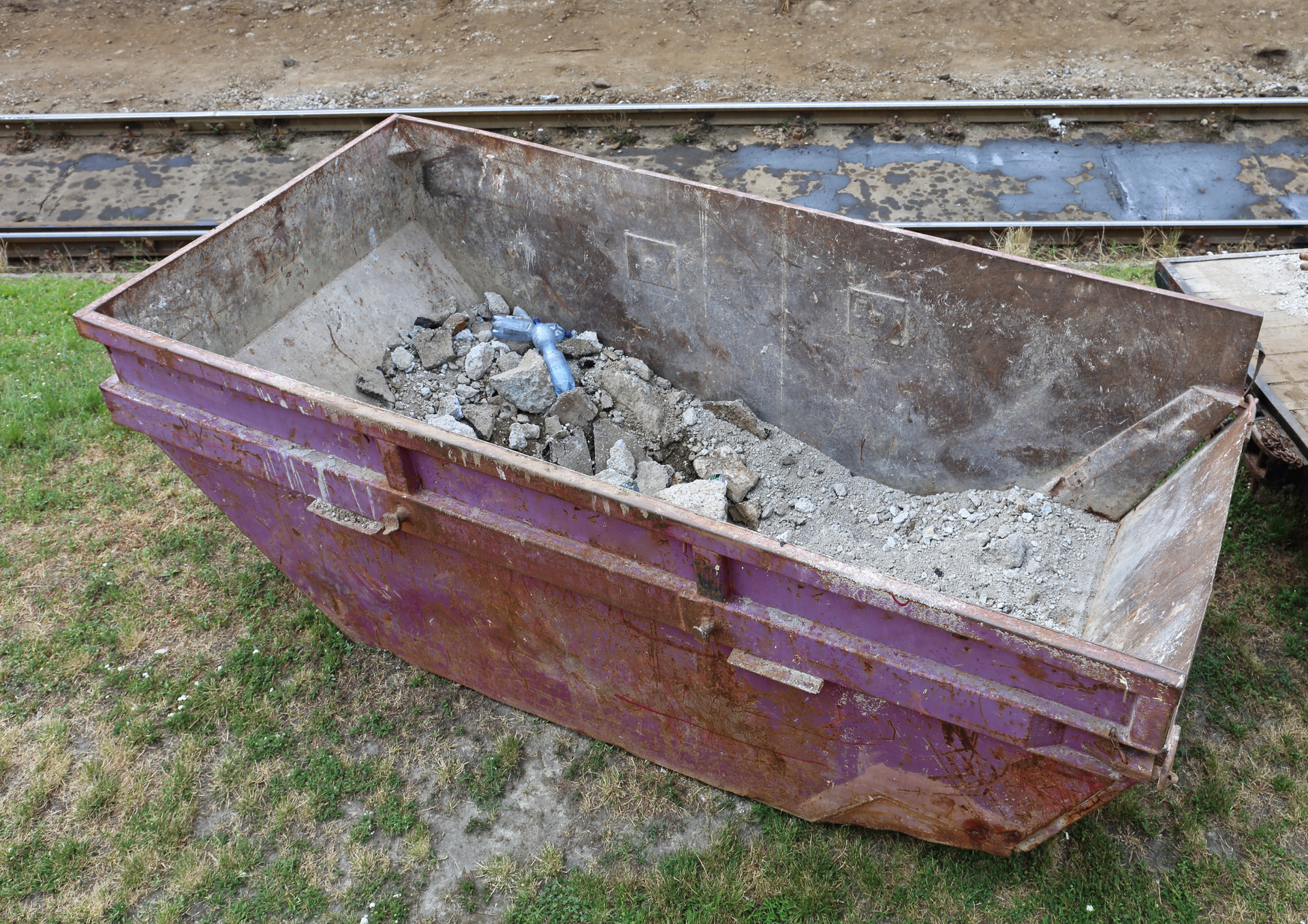
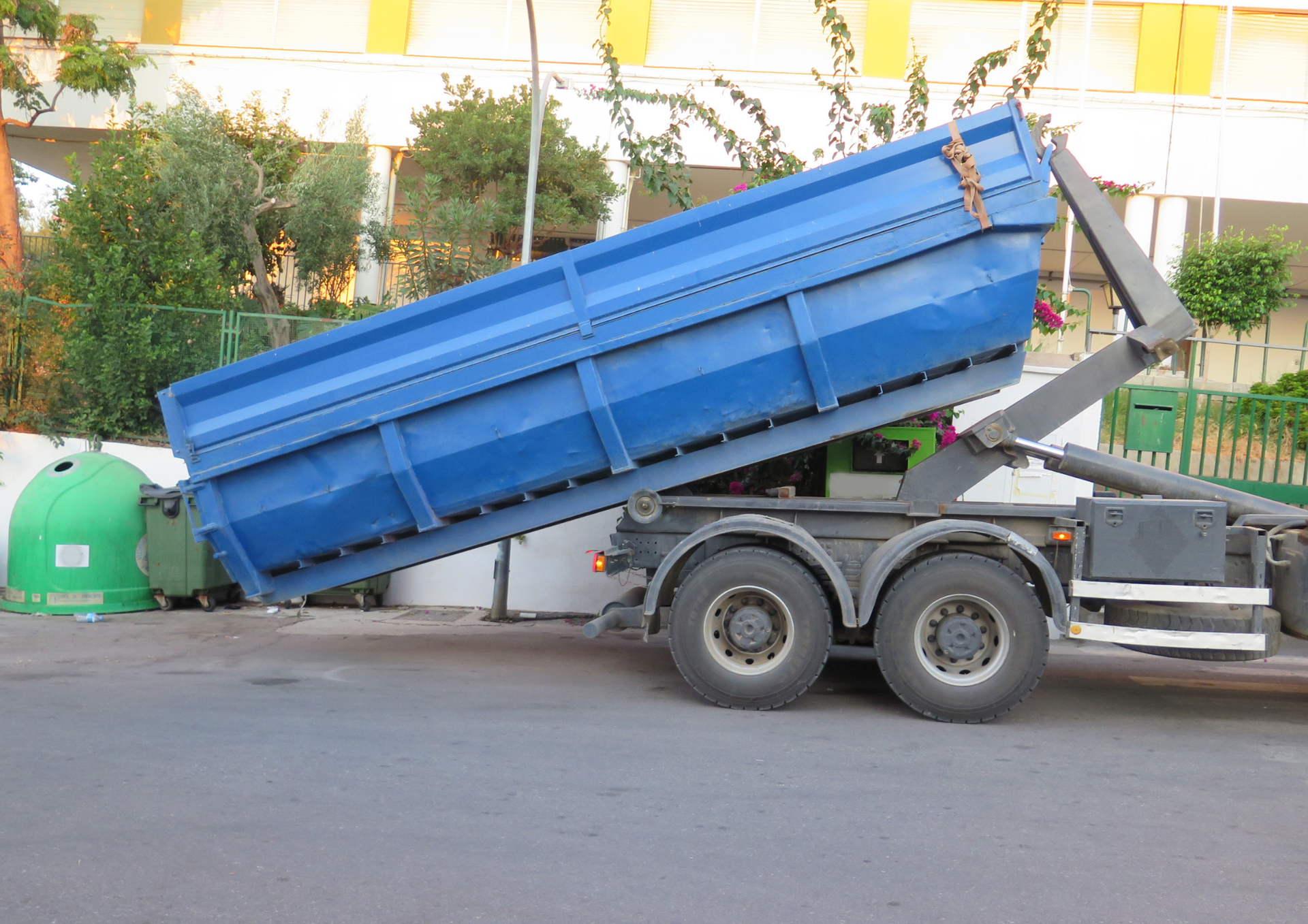
One of the most practical ways to manage waste during these projects is by arranging skip hire services that provide a convenient and organised method of collecting and removing unwanted materials.
Understanding Seasonal Property Maintenance Requirements
Every season presents different maintenance challenges and responsibilities. Property owners often schedule specific tasks throughout the year to address wear and tear, improve functionality, and maintain the overall value of buildings and surrounding land.
Spring often brings garden clearances, fence repairs, gutter cleaning, landscaping improvements, and external decorating projects. Winter weather can leave behind fallen branches, damaged materials, and debris that require prompt removal.
During summer, larger renovation projects often take place due to favourable weather conditions. Roofing work, driveway installations, exterior decorating, commercial refurbishments, and landscaping improvements can generate significant volumes of waste.
Many property owners and contractors arrange skip hire services during these projects to provide a convenient and efficient solution for collecting and removing materials, helping to keep sites organised and work progressing smoothly. Autumn commonly involves clearing leaves, pruning vegetation, preparing drainage systems, and carrying out preventative maintenance before winter arrives.
These projects can produce large volumes of green waste and other unwanted materials. Winter maintenance may include repairs following storms, replacement of damaged structures, and preparation for future improvement projects.
Regardless of the season, effective waste management remains an essential component of successful property maintenance. The ability to remove waste promptly helps maintain cleaner working environments, reduces disruption, and allows projects to proceed more efficiently from start to finish.
Choosing Suitable Skip Sizes for Property Maintenance Projects
Choosing the right container size is an important part of planning any seasonal property maintenance project. Different types of work generate varying amounts of waste, so selecting an appropriate option can help maintain organisation, improve efficiency, and reduce unnecessary collections throughout the project.
Small Maintenance Projects
- Suitable for garden tidy-ups, shed clearances, minor repairs, and general household maintenance.
- Ideal when space is limited and waste volumes are relatively modest.
- A 4 yard skip is often used for household waste, garden debris, timber, and light construction materials.
Medium-Sized Property Improvements
- Appropriate for kitchen upgrades, bathroom renovations, landscaping projects, and routine building maintenance.
- Provides additional capacity for projects generating mixed waste materials.
- A 6 yard skip is commonly selected for refurbishment work and larger property maintenance tasks.
Large Maintenance and Renovation Projects
- Suitable for extensive home improvements, office refurbishments, and commercial maintenance programmes.
- Helps accommodate larger quantities of mixed waste while reducing the need for multiple collections.
- An 8 yard skip is frequently chosen for projects requiring substantial waste storage capacity.
Major Clearance and Redevelopment Work
- Ideal for large-scale property upgrades, commercial redevelopment projects, and extensive clearance programmes.
- Provides significant capacity for bulky non-hazardous materials generated over longer project durations.
- A 12 yard skip is often used where higher waste volumes are anticipated.
Careful assessment of the project's scope before work begins helps ensure the selected container supports efficient waste management and contributes to smoother site operations from start to finish.
Benefits of Effective Waste Management During Maintenance Work
Effective waste management plays a vital role in the success of seasonal property maintenance projects. From residential improvements to commercial maintenance programmes, having a clear waste disposal strategy helps keep sites organised, supports productivity, and contributes to smoother project delivery.
Improved Site Organisation
- Provides a designated location for waste materials throughout the project.
- Helps prevent debris from accumulating around work areas.
- Supports cleaner and more organised working environments.
- Reduces unnecessary obstructions that may interfere with ongoing tasks.
Increased Productivity
- Allows contractors and maintenance teams to focus on project work rather than managing waste.
- Reduces time spent transporting materials to disposal facilities.
- Helps maintenance activities progress more efficiently.
- Minimises delays caused by overflowing waste piles or cluttered workspaces.
Supporting Environmental Responsibility
- Encourages proper segregation of different waste materials.
- Helps maximise opportunities for recycling and material recovery.
- Reduces the amount of waste sent to landfill.
- Supports responsible waste disposal practices for both residential and commercial projects.
Meeting Project and Management Requirements
- Assists surveyors, landlords, and local authorities in maintaining organised sites.
- Supports compliance with waste management expectations and environmental objectives.
- Demonstrates a structured approach to property maintenance and site management.
- Helps maintain professional standards throughout the project lifecycle.
Convenient Waste Removal
- Eliminates the need for frequent journeys to disposal centres.
- Simplifies site logistics and waste handling procedures.
- Provides a practical solution for managing large volumes of maintenance waste.
- Allows teams to remain focused on completing work efficiently and on schedule.
By incorporating an organised waste management solution into seasonal maintenance plans, property owners and project managers can improve efficiency, maintain cleaner sites, and support the successful completion of maintenance work.
Planning Seasonal Maintenance Projects Successfully
Successful property maintenance begins with careful planning and preparation. Understanding the scope of work, anticipated waste volumes, project duration, and access requirements allows property owners to make informed decisions before work commences.
Arranging skip hire as part of the planning process can help ensure waste is managed efficiently throughout the project, supporting better organisation and reducing disruption as work progresses. Scheduling waste collection alongside project timelines helps ensure sufficient capacity remains available throughout the maintenance programme.
For larger projects, arranging collections or replacements at appropriate intervals can prevent delays caused by overflowing containers. Access considerations should also be assessed before delivery.
Driveways, private land, commercial premises, and construction sites may all present different logistical requirements. Evaluating access in advance helps avoid complications and supports smooth delivery and collection arrangements.
Communication between property owners, contractors, and waste management providers can contribute significantly to project efficiency. Clear expectations regarding waste types, collection schedules, and site requirements help minimise disruptions and ensure all parties remain aligned throughout the project.
Seasonal weather conditions should also be considered during planning. Heavy rainfall, strong winds, and adverse weather can influence project schedules and waste generation rates. Building flexibility into maintenance plans helps accommodate changing conditions while maintaining progress.
For landlords managing multiple properties, local authorities overseeing public assets, and commercial property managers coordinating larger maintenance programmes, consistent planning processes can improve efficiency across numerous sites. Structured waste management arrangements help maintain organisation while supporting long-term property maintenance objectives.
At
Skip Hire Lowestoft, we understand the importance of reliable waste management for seasonal property maintenance projects. We support homeowners, landlords, surveyors, local authorities, and businesses with practical waste collection solutions designed to accommodate projects of varying sizes and requirements.
Our focus is on providing dependable service, clear communication, and convenient waste management options that help keep projects organised and running efficiently. Whether you are carrying out routine maintenance, property improvements, landscaping works, or larger refurbishment programmes, our team is committed to helping you find the most suitable solution for your requirements.
With a customer-focused approach and a commitment to professional service, we aim to make waste management straightforward, efficient, and convenient throughout every stage of your project.
New Update on X:
Skip hire support for seasonal clean-ups and property projects.
You might also like