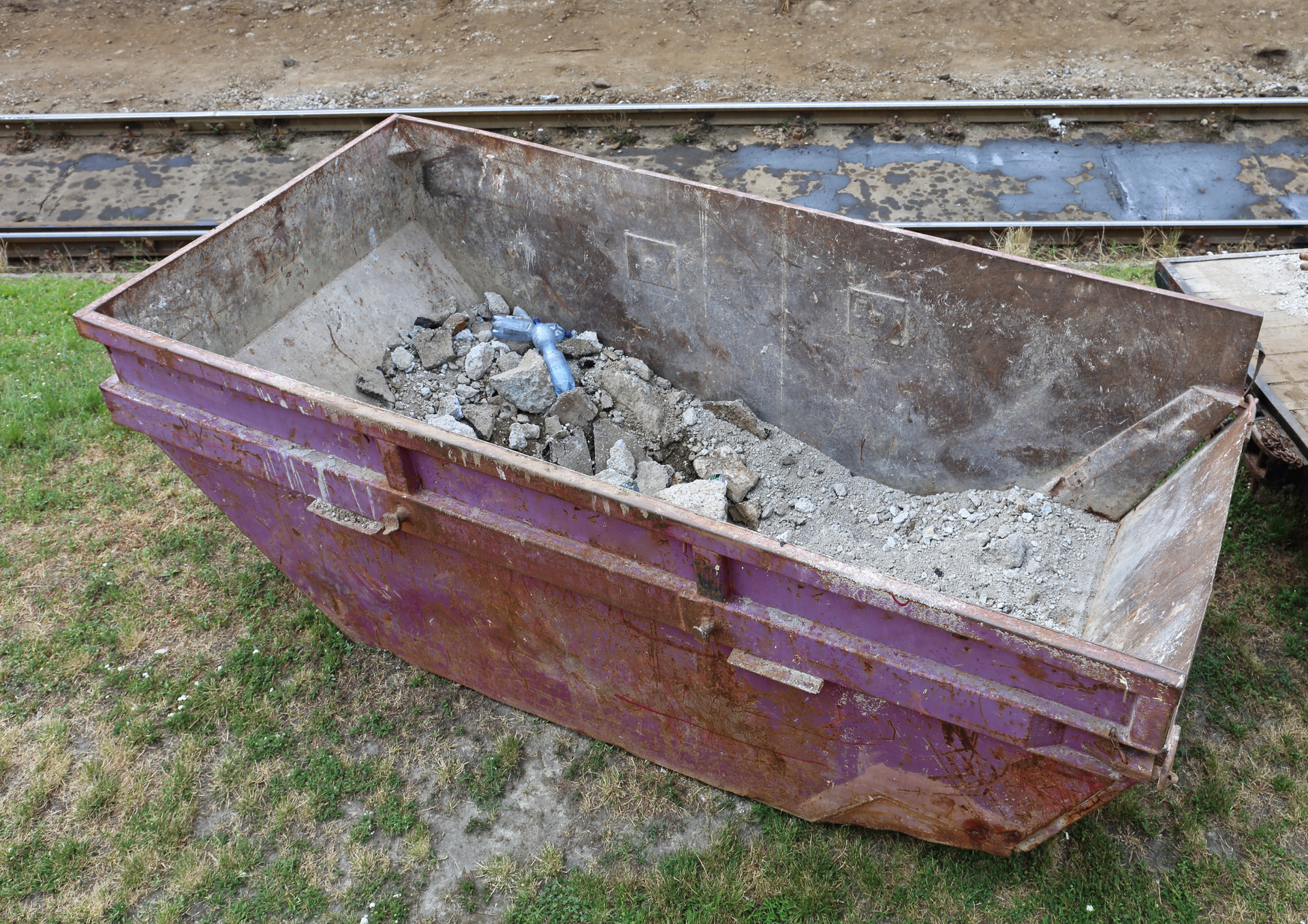

Skip Hire Near Me for Fence and Decking Removal Waste Disposal
Replacing worn fencing or removing an ageing timber deck can completely transform the appearance, safety, and functionality of any outdoor space. Whether you are improving a private garden, renovating a rental property, maintaining commercial premises, or preparing land for a new project, one challenge quickly becomes apparent—dealing with the large volume of waste created during the work.
Old fence panels, timber posts, gravel boards, decking boards, joists, concrete footings, screws, brackets, and general debris can accumulate surprisingly quickly. Without proper planning, these materials may clutter the site, create unnecessary hazards, and slow the progress of the project. Organising waste removal before work begins helps keep the area tidy, improves efficiency, and allows contractors or property owners to focus on completing the job safely.
Many homeowners planning outdoor improvements begin searching for skip hire near me because a skip provides a practical place to contain waste as it is produced. Rather than making repeated journeys to dispose of materials, waste can be placed directly into the skip throughout the project, helping maintain an organised working environment.
Fence and decking removal projects vary greatly in size. A small garden boundary replacement may produce only a modest amount of waste, while removing extensive timber decking from a commercial property or communal outdoor area can generate several tonnes of material. Understanding the likely waste volume before work starts makes it easier to choose an appropriate disposal solution.
This guide covers fence and decking waste disposal and project planning.
Understanding the Waste Created During Fence and Decking Removal
Fence and decking removal often produces a wider variety of waste than many people initially expect. While timber usually forms the largest proportion, several additional materials frequently require disposal throughout the project.
Old fence panels may contain weathered timber, nails, hinges, brackets, wire mesh, or decorative features that have deteriorated over many years. Fence posts can be made from timber, concrete, or metal, each requiring careful removal before disposal.
Decking structures often contain multiple layers beneath the surface boards, including supporting joists, bearer frames, fixings, weed membranes, paving slabs, gravel, edging materials, and compacted soil. As these materials quickly accumulate during removal, many property owners arrange skip hire near me to keep waste organised before preparing the area for its next use.
Some older structures have undergone numerous repairs over time, resulting in a mixture of timber types, treated wood, replacement sections, concrete supports, and miscellaneous building materials. This mixed waste can accumulate rapidly once dismantling begins.
Commercial properties often generate even larger quantities of waste due to extensive outdoor seating areas, perimeter fencing, storage compounds, loading bays, landscaped grounds, or security barriers. Property managers frequently schedule removal work alongside wider refurbishment programmes, making efficient waste management particularly important.
Surveyors overseeing improvement projects also recognise the value of planning waste removal before work starts. Keeping removal activities organised supports better site management while reducing unnecessary disruption during construction or maintenance.
Where older timber has been exposed to decades of weather, rot, moss, algae, or moisture damage, the material may become heavier than expected. Wet timber occupies valuable skip space more quickly than dry materials, making accurate planning beneficial.
Concrete fence posts and gravel boards can also contribute significant weight. Although they occupy relatively little space, their density means they should be loaded carefully to maintain stability throughout the skip.
Metal components including brackets, bolts, screws, hinges, gates, chains, and fixings often remain attached during dismantling. Collecting these smaller items immediately helps prevent sharp objects from becoming hazards around the working area.
Proper planning before removal begins allows waste to be separated where practical, improving organisation throughout the project while reducing unnecessary handling later.
Planning Fence and Decking Removal Before Work Begins
Proper planning before removing fences or decking helps reduce delays, improves site organisation, and makes waste disposal much more efficient. Considering the following factors before work begins can help the entire project run more smoothly.
Assess the Project Size
- Measure the length of fencing and the size of the decking area.
- Count fence panels, posts, and supporting structures.
- Estimate the total amount of waste likely to be produced.
Inspect Existing Structures
- Check the condition of fencing and decking before removal.
- Older, weathered timber may break into smaller pieces, taking up more skip space.
- Newer timber is often easier to stack and load efficiently.
Consider Site Access
- Assess pathways, side entrances, driveways, and garden access.
- Identify slopes, uneven ground, or soft surfaces that may affect moving materials to the skip.
Plan Around Neighbouring Properties
- Discuss planned work where shared boundaries or access may be affected.
- Consider temporary access arrangements and minimise disruption where possible.
Monitor Weather Conditions
- Wet timber becomes heavier and more difficult to handle.
- Dry weather generally makes removal and loading more straightforward.
Include Additional Outdoor Waste
- Remove unwanted garden furniture, broken planters, sleepers, trellis panels, and general garden waste while the skip is available.
- Combining clearance projects can make better use of skip capacity.
Identify Other Structures to Remove
- Check whether sheds, pergolas, raised beds, or other timber features will also be dismantled.
- Including these items provides a more accurate estimate of total waste.
Choose a Suitable Skip Size
Some property owners compare skip bins near me to understand the different container sizes available for outdoor renovation projects. Choosing the right capacity from the start helps reduce the need for additional collections before the work is complete.
Choosing the Right Skip Size for Fence and Decking Projects
Choosing the right skip size helps keep fence and decking removal projects organised, efficient, and free from unnecessary delays. Estimating the amount of waste before work begins allows you to select a suitable skip and manage materials more effectively throughout the project.
Consider the Size of the Project
- Small fence replacements usually generate less waste but can still include timber, concrete footings, fixings, and general debris.
- Larger domestic projects involving full boundary fencing or extensive decking removal produce significantly greater waste volumes.
- Commercial properties may require larger skips due to extensive fencing, outdoor seating areas, security barriers, or timber structures.
Estimate Waste Accurately
- Divide the project into sections, including fence panels, posts, decking boards, joists, concrete supports, and other debris.
- Estimate each material separately to gain a more realistic understanding of the total waste volume.
- Include packaging from new materials, such as pallets, cardboard, plastic wrapping, and straps.
Plan for Different Property Types
- Homeowners may replace garden fencing or decking as part of general property improvements.
- Landlords often carry out outdoor renovations between tenancies.
- Surveyors and commercial property managers should estimate waste during the planning stage to support efficient refurbishment programmes.
Load the Skip Efficiently
- Stack timber neatly to maximise available space.
- Cut long boards into manageable lengths where appropriate.
- Remove protruding nails where practical before loading.
- Distribute heavy concrete components evenly to maintain skip stability.
Keep the Site Organised
- Load waste directly into the skip as materials are removed.
- Keep pathways and working areas clear to reduce trip hazards.
- Minimise unnecessary handling by disposing of waste as work progresses.
Compare Disposal Options Carefully
Some property owners compare skip hire prices near me before arranging collection. While cost is an important consideration, choosing a skip based on the project's waste volume, accessibility, and collection arrangements often provides a more practical solution.
Proper preparation helps outdoor renovation projects progress smoothly while maintaining a cleaner, safer, and more organised working environment for homeowners, landlords, contractors, surveyors, and commercial property managers.
Managing Fence and Decking Waste Safely Throughout the Project
Maintaining a tidy site during fence and decking removal contributes to both efficiency and safety. As materials are dismantled, waste should be removed from walkways as quickly as possible to reduce the risk of trips, slips, and unnecessary obstructions.
Fence panels often contain loose nails, staples, wire, and damaged timber that can present hazards if left scattered around the site. Collecting these materials immediately after removal helps keep working areas clear and makes loading the skip more straightforward.
Decking projects introduce additional considerations. Raised platforms frequently contain hidden screws, rusted brackets, support beams, and uneven surfaces that become exposed during dismantling. Removing loose materials promptly allows workers to move around the area with greater confidence while reducing unnecessary risks.
Concrete fence posts deserve particular attention due to their weight. Mechanical lifting equipment may be appropriate for larger installations, while smaller posts should still be handled carefully using suitable lifting techniques. Planning removal in stages often makes the process more manageable than attempting to clear everything at once.
Separating reusable materials from waste may also prove worthwhile. Timber that remains in good condition can sometimes be repurposed for future landscaping projects, temporary site barriers, or storage solutions. Removing reusable items before loading the skip simplifies organisation and prevents unnecessary disposal of serviceable materials.
Weather conditions continue to influence waste management throughout the project. Rain can increase the weight of timber, while strong winds may scatter lightweight materials around the site. Taking sensible precautions helps maintain control over waste as work progresses.
Commercial premises often require particular attention to public access. Where work is taking place near customer entrances, shared pathways, car parks, or communal spaces, keeping waste contained within designated working areas helps minimise disruption while allowing normal activities to continue wherever possible.
Residential projects benefit from similar planning. Families, visitors, neighbours, and delivery drivers may all need access while work is underway. Maintaining tidy access routes contributes to a safer environment throughout the renovation period.
Projects involving multiple contractors also require effective communication. Carpenters, landscapers, fencing specialists, groundwork teams, and property managers all benefit from having a clear waste management plan that identifies where materials should be placed as work progresses.
For larger renovations involving phased work, arranging waste removal in advance helps avoid unnecessary downtime. Some property owners choose skip rental near me when coordinating extended projects that involve several stages of fencing, decking, landscaping, and general external improvements. Having disposal arrangements planned from the outset helps maintain steady progress across the entire schedule.
Organised waste management not only improves efficiency but also creates a more professional working environment. Keeping materials under control allows projects to progress smoothly while preparing the outdoor space for the installation of new fencing, decking, paving, or landscaping features.
Completing Fence and Decking Removal Projects Efficiently
Once the main structures have been removed, attention can turn to clearing the remaining debris and preparing the site for its next stage of development. Although much of the visible work may be complete, a thorough clean-up is essential to ensure the area is safe, organised, and ready for future improvements.
The first task is usually to inspect the ground carefully. Small pieces of timber, broken boards, loose screws, nails, brackets, and fragments of concrete can easily remain hidden among soil, gravel, or vegetation. Taking time to remove these items helps create a cleaner working area and reduces the chance of problems during the installation of replacement fencing, decking, paving, or landscaping.
Older fence posts often leave behind compacted concrete foundations. Depending on future plans for the site, these foundations may need to be removed completely or reduced below ground level. Careful assessment at this stage helps determine the most practical approach before new construction begins.
Decking projects may reveal uneven ground, compacted soil, drainage channels, or previous landscaping work that was concealed beneath the structure. Identifying these features early allows property owners and contractors to make informed decisions about levelling, drainage improvements, or redesigning the outdoor space.
For homeowners, this stage often presents an opportunity to rethink how the garden will be used. Some choose to install new decking with improved layouts, while others replace timber structures with patios, lawns, raised planting areas, or decorative gravel. Removing outdated features provides greater flexibility when planning future improvements.
Landlords frequently schedule fence and decking replacements between tenancies to improve the appearance and practicality of outdoor areas before welcoming new occupants. Well-maintained exterior spaces contribute to a positive first impression while creating more usable gardens and communal areas.
Commercial property managers may coordinate external refurbishment alongside broader maintenance programmes. Replacing damaged boundary fencing, updating outdoor seating areas, or improving shared landscaped spaces can enhance the overall presentation of business premises without interrupting day-to-day operations more than necessary.
Surveyors overseeing refurbishment projects understand that waste management continues to play an important role until the final stages of work. Removing debris promptly allows inspections to take place more efficiently while helping contractors identify any remaining repairs before new installations begin.
Local authorities responsible for parks, housing developments, schools, and public spaces also benefit from organised waste disposal throughout improvement programmes. Keeping working areas orderly allows maintenance activities to progress with minimal disruption to surrounding communities and public access where appropriate.
As the project nears completion, many people carry out one final inspection of the site. Checking boundaries, pathways, access points, drainage routes, and surrounding landscaping helps ensure no waste materials have been overlooked before replacement work begins.
Some renovation schedules are tightly planned, leaving little time between demolition and installation. In these situations, arranging same day skip hire near me can help maintain project momentum by ensuring waste is removed promptly, allowing the next phase of work to begin without unnecessary delays.
A well-organised approach from planning through to final clearance allows fence and decking projects to progress more smoothly, helping everyone involved work more efficiently while maintaining a cleaner and safer environment.
Throughout every stage of the project, communication also plays an important role. Where multiple contractors are involved, agreeing responsibilities for loading waste, maintaining access routes, and keeping the site tidy helps avoid confusion. Clear coordination reduces unnecessary handling of materials and ensures the project remains on schedule.
Weather should continue to be monitored until the work is complete. Strong winds may move lightweight debris, while prolonged rainfall can soften ground conditions, making the removal of heavy materials more difficult. Allowing for changing conditions helps maintain productivity without compromising the organisation of the site.
At
Skip Hire Lowestoft, we aim to provide helpful, practical information that supports homeowners, landlords, surveyors, local authorities, businesses, and property managers when planning waste removal projects. Our website has been created to make it easier to understand the different aspects of skip hire, helping visitors make informed decisions before work begins.
We focus on clear guidance, straightforward advice, and informative content covering a wide range of domestic and commercial waste removal projects. Rather than overwhelming readers with technical language, we explain important considerations in a way that is easy to understand while remaining relevant to projects of every size.
Whether you are clearing old fencing, removing timber decking, carrying out landscaping work, or planning a larger property refurbishment, our website is designed to provide reliable information that helps you prepare with confidence. We are committed to delivering useful resources that support efficient planning, responsible waste management, and successful project completion.
If you are preparing for your next outdoor improvement project, skip hire near me remains a practical solution for keeping waste organised, maintaining a tidy working environment, and helping your project progress as smoothly as possible.
Don't Miss Out on X: Reliable
skip hire near me for fencing and decking projects.
You might also like