
How to Choose the Right Skip Hire Service for Your Project Needs Now
Choosing a waste removal service may seem straightforward, but there are several important factors to consider before making a booking. Different projects produce different amounts and types of waste, while available space, access, project duration and collection requirements can all influence which service is most appropriate. Taking time to assess these details can prevent unnecessary inconvenience once work is underway.
For homeowners completing renovations, landlords clearing properties, surveyors coordinating works and local authorities managing sites, reliable skip hire can provide a practical way to keep unwanted materials contained and organised. The same principles apply to residential and commercial properties, although larger projects may require more detailed planning because of the volume and variety of waste involved.
Customers in Lowestoft should consider more than price when comparing providers. Reliability, communication, appropriate container sizes and responsible waste handling all contribute to the overall quality of the service. A provider should be able to explain the booking process clearly and help customers understand what they need before delivery.
Assessing Your Project Before Choosing a Service
Every successful waste removal arrangement begins with understanding the project itself. Considering what you are clearing, how much material is likely to be produced and where the container can be positioned helps you make a more informed choice. A little preparation can also reduce the risk of needing to change arrangements once work has started.
Identify the Type of Project
- Household clearances, garden improvements, renovations and building projects can produce very different quantities of unwanted material.
- A small decorating project may need relatively little capacity, whereas a complete property refurbishment can generate considerably more.
- Commercial premises may require additional planning if waste is produced continuously over several days or weeks.
- Understanding the scale of the work provides a useful starting point when discussing requirements with a provider.
Estimate the Amount of Waste
- Consider the amount of material likely to be removed rather than simply focusing on the size of the property.
- Bulky objects can occupy considerable space even when there are relatively few individual items.
- Building and renovation materials can accumulate quickly as work progresses.
- Allowing some additional capacity can be useful when it is difficult to estimate the exact amount beforehand.
Consider the Materials Involved
- Household items, garden material and construction debris may require different handling.
- Customers should explain what they expect to dispose of when requesting a quotation.
- Certain materials may need to be separated or handled through another appropriate disposal route.
- Asking about restrictions before delivery helps prevent problems during the hire period.
Check the Available Space
- Consider where the container will be positioned before confirming a booking.
- Driveways and private land can provide convenient locations when sufficient access is available.
- Drivers require enough room to deliver and collect equipment safely.
- Nearby vehicles, gates, walls, trees and other obstacles should be considered before delivery day.
Think About the Project Schedule
- A short household clearance may only require a brief hire period.
- Renovations and construction projects can require waste facilities for considerably longer.
- Coordinating delivery with the start of the work prevents the container from occupying space unnecessarily.
- Planning collection around project completion helps keep the property organised.
People searching for skip hire near me should consider these practical requirements alongside location, as the most suitable local provider should offer a service that matches the scale, schedule and circumstances of the work.
Comparing Service Quality, Reliability and Overall Value
Price naturally influences the decision when arranging waste removal, but it should not be considered in isolation. A low quotation may appear attractive initially, yet the overall value of the service depends on what is included and how reliably the provider can meet the customer's requirements.
Clear communication is one of the strongest indicators of a professional service. Customers should be able to obtain straightforward information about available sizes, delivery arrangements, expected hire periods and collection procedures. If any aspect of the service is unclear, asking questions before booking can prevent misunderstandings later.
Reliability is equally important. A container that arrives significantly later than expected can disrupt a planned clearance or delay contractors who need space to continue working. Similarly, collection delays can cause inconvenience once a project has been completed. A dependable provider should make realistic arrangements rather than offering schedules that may be difficult to fulfil.
Customers should also consider whether the company offers suitable capacity for the work involved. A provider with several options can accommodate a wider range of domestic and commercial projects. This is particularly helpful for customers who are uncertain about how much waste they will produce and require guidance before making a decision.
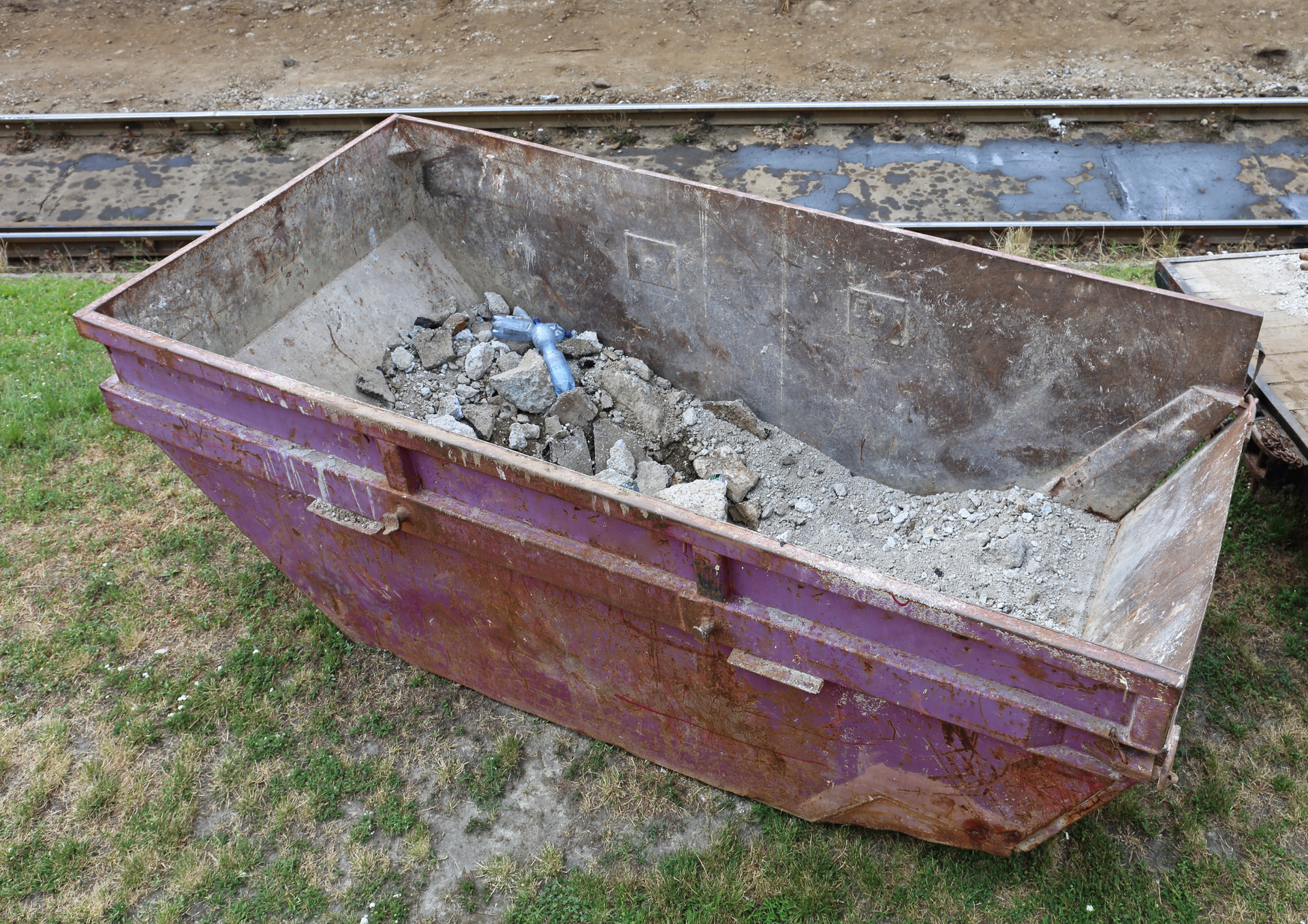
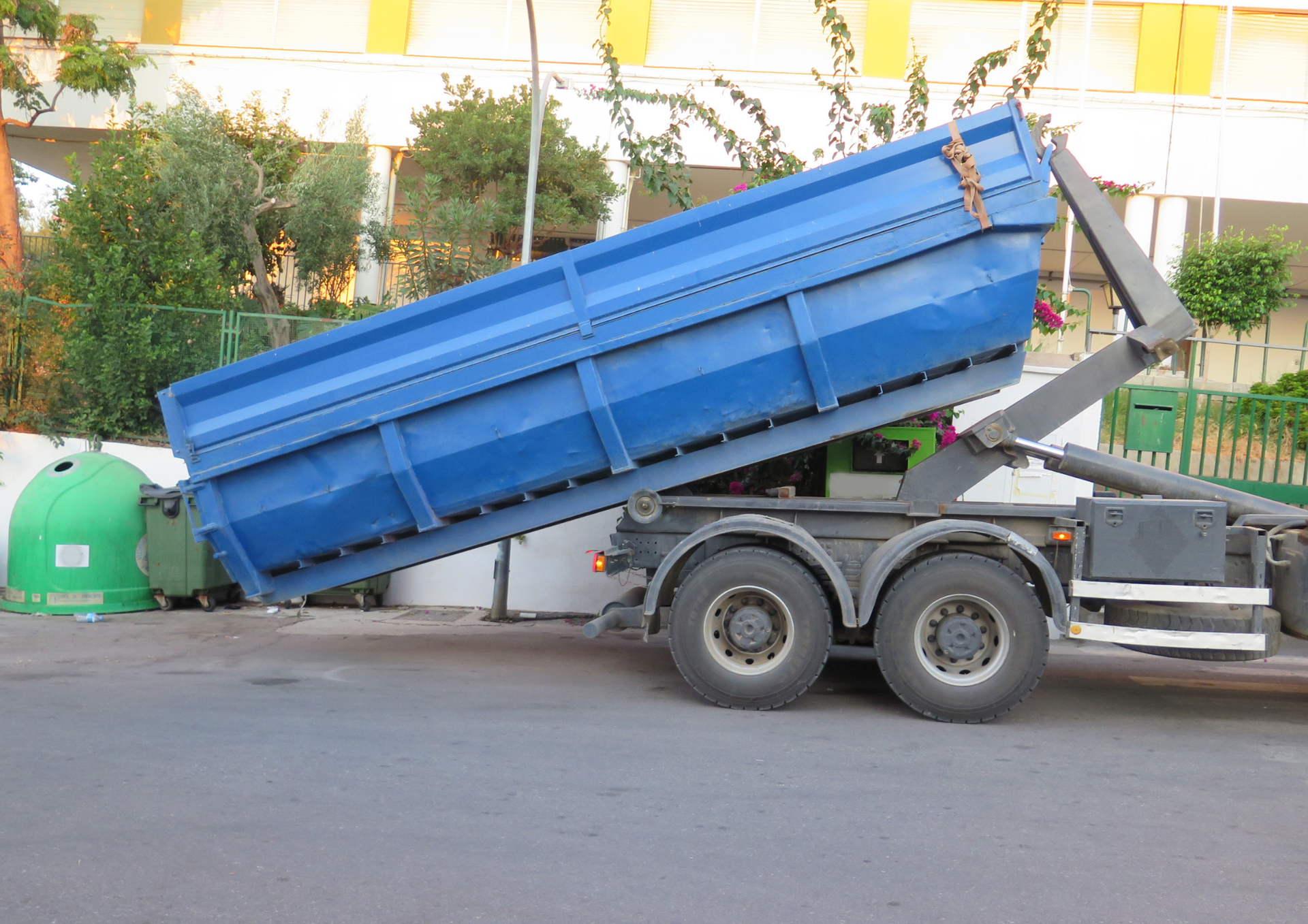
When comparing skip bin hire, customers should look carefully at what each quotation covers rather than assuming that apparently similar services are identical. Delivery, collection, hire duration and the types of material accepted can all affect the practical value of the arrangement.
Local knowledge can also contribute to a smoother experience. Providers familiar with Lowestoft and the surrounding area can plan deliveries around local roads and understand some of the access challenges associated with different residential and commercial locations. This can be particularly useful where streets are narrow or where space for positioning is limited.
Professional customer service should continue after the initial booking. Projects can change, particularly during renovations and property clearances, and customers may need advice about extending the hire period or arranging collection earlier than expected. Being able to communicate easily with the provider makes these changes simpler to manage.
Responsible waste handling should form part of the comparison as well. A reputable company should have appropriate processes for managing collected material and separating recyclable resources where practical. Choosing a provider that takes waste management seriously allows customers to approach their project with greater confidence.
Ultimately, value comes from the complete service rather than one figure on a quotation. Reliable scheduling, suitable equipment, straightforward communication and responsible handling can be just as important as the initial price.
Choosing the Correct Size and Planning the Delivery
Selecting suitable capacity is one of the most important parts of arranging skip hire. Equipment that is too small can fill before the work is finished, while choosing considerably more capacity than necessary may be inefficient. Matching the size to the project helps create a more organised and practical waste removal process.
Small Household Projects
- Decluttering rooms, clearing cupboards and completing minor DIY work generally produces manageable quantities of waste.
- Smaller options can be useful where outdoor space is limited.
- Consider bulky objects carefully because they can occupy more capacity than bags of general household material.
- Estimating the likely volume before booking helps customers choose more confidently.
Renovations and Refurbishments
- Kitchens, bathrooms and larger home improvements can generate substantial quantities of material.
- Old units, flooring, fittings and building debris can quickly occupy available capacity.
- Customers should consider the complete project rather than only the first stage of demolition or clearance.
- Discussing the planned work with the provider can help establish an appropriate option.
Commercial and Managed Properties
- Offices, retail premises, rental properties and other commercial locations may produce greater volumes during clearances or refurbishments.
- Landlords and property managers should consider whether furniture, fittings or renovation material will be removed.
- Larger projects may require planned collections to prevent waste from interfering with ongoing work.
- Coordinating arrangements with contractors can help maintain an organised site.
Access and Positioning
- Delivery vehicles require sufficient space to approach and position the container.
- Customers should check entrances, driveways and surrounding obstacles beforehand.
- Positioning should allow convenient loading without unnecessarily obstructing normal property access.
- Where private land is unavailable, customers should ask what arrangements may be required before booking.
Making Efficient Use of Capacity
- Breaking down suitable bulky items can make better use of available space.
- Waste should be loaded carefully rather than being allowed to accumulate unevenly.
- Customers should follow the provider's guidance regarding filling levels and acceptable materials.
- Planning how waste will be generated throughout the project can make loading more organised.
Different skip bins are suited to different quantities and types of waste, so customers should avoid selecting solely by appearance. Practical guidance from an experienced provider can help match available capacity to the actual requirements of the work.
Planning Collection and Keeping the Project Organised
Delivery is only one part of an effective waste management plan. Customers should also consider how waste will be handled during the project and when collection should take place. Good organisation can make a noticeable difference to domestic clearances, renovation work and commercial projects.
Once the container is delivered, keeping the surrounding area accessible makes loading easier. Contractors, residents and other people using the property should know where waste is being placed so that materials do not become scattered across working areas. This is particularly important on busy renovation or commercial sites where several tasks may be taking place simultaneously.
Customers should also avoid leaving collection arrangements until the last possible moment. If the likely completion date is known, discussing collection with the provider in advance can help coordinate the final stages of the project. Where schedules change, communicating promptly allows alternative arrangements to be considered.
The length of the hire period should reflect the pace of the work. Keeping equipment for considerably longer than required can occupy useful space, while arranging collection too early may leave customers without sufficient capacity to finish the project. Reviewing progress throughout the work makes it easier to decide when collection is appropriate.
Those searching for skips near me should therefore consider collection arrangements as carefully as delivery. A convenient local service should support the entire process, from selecting suitable capacity through to removing the filled container when the project is ready.
Good organisation is particularly useful for landlords managing property transitions, surveyors coordinating works and local authorities overseeing maintenance or improvement projects. Having a clear plan for where waste will go and when it will be removed helps different stages of work progress without unnecessary interference.
Residential customers can benefit from the same approach. Even a relatively straightforward garden or household clearance becomes easier when there is a designated place for waste and a clear schedule for removing it. Planning both delivery and collection when arranging skip hire creates a more complete and organised waste management solution.
Skip Hire Lowestoft provides practical waste removal solutions for homeowners, landlords, surveyors, local authorities and customers responsible for residential and commercial properties throughout Lowestoft and surrounding areas. Our approach focuses on making the booking process straightforward while helping customers choose an option suited to their individual project.
Whether you are clearing a house, improving a garden, renovating a rental property or coordinating commercial work, our team can provide guidance on suitable capacity, delivery arrangements and collection. Customers looking for skips near me can rely on our local knowledge and straightforward approach when planning waste removal in and around Lowestoft.
Check out our latest X update on how to choose the right
skip hire service for your project needs!
You might also like